Gold Price Crash 2026: Is the $4 Trillion Sell-off a Liquidity Trap or a Buy the Dip Opportunity?

RockFlow Shayne
February 5, 2026 · 12 min read
Key points:
-
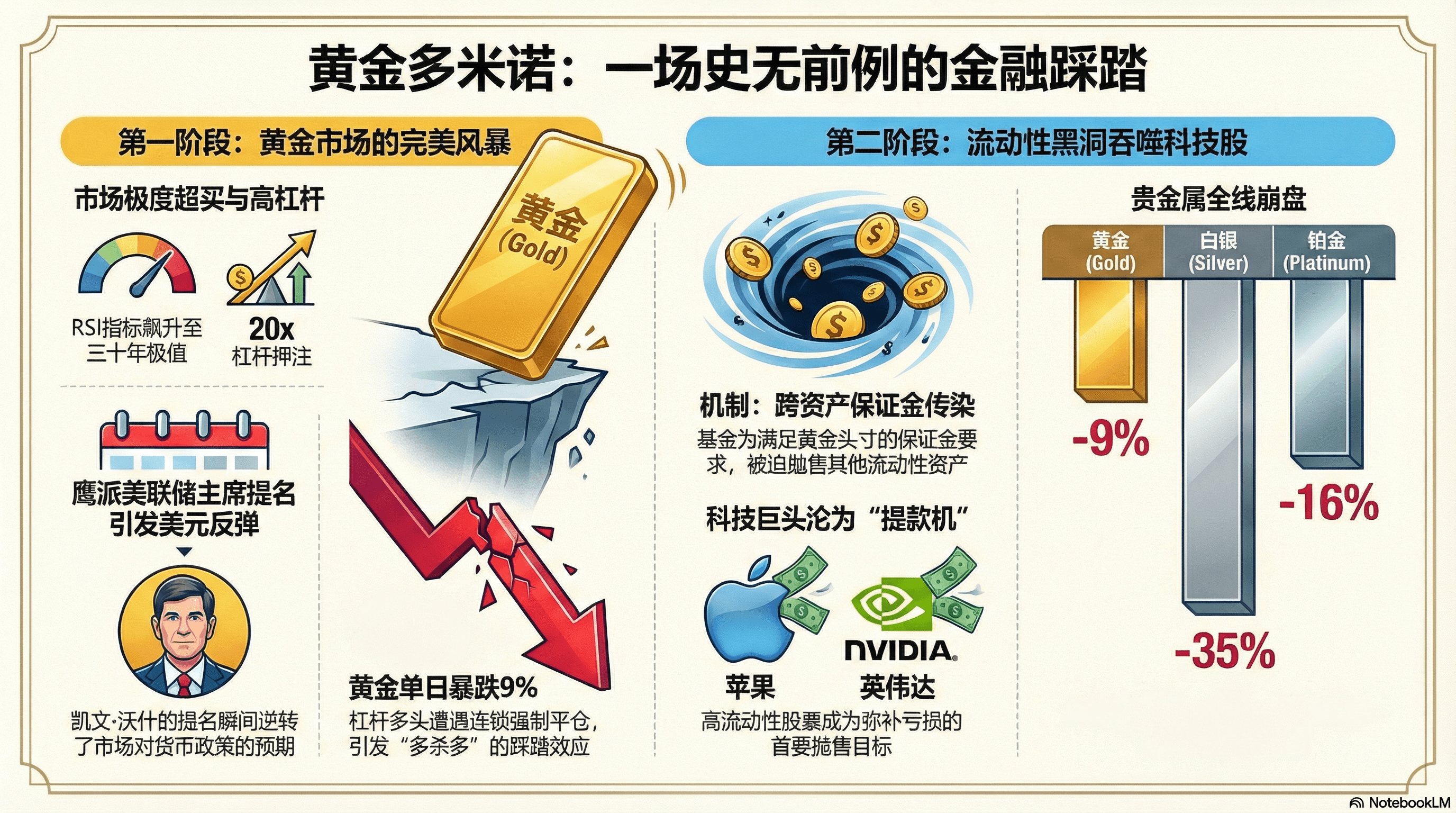
The sharp decline of precious metals at the end of January was not a fundamental collapse but rather the collective exit of highly leveraged long positions. At the beginning of 2026, overbought gold crashed under the expectation of Kevin Warsh taking over the Fed, evolving into a liquidity black hole that devoured everything. To cover the huge losses in gold positions, hedge funds were forced to sell highly liquid technology giants, causing the Nasdaq to be dragged down.
-
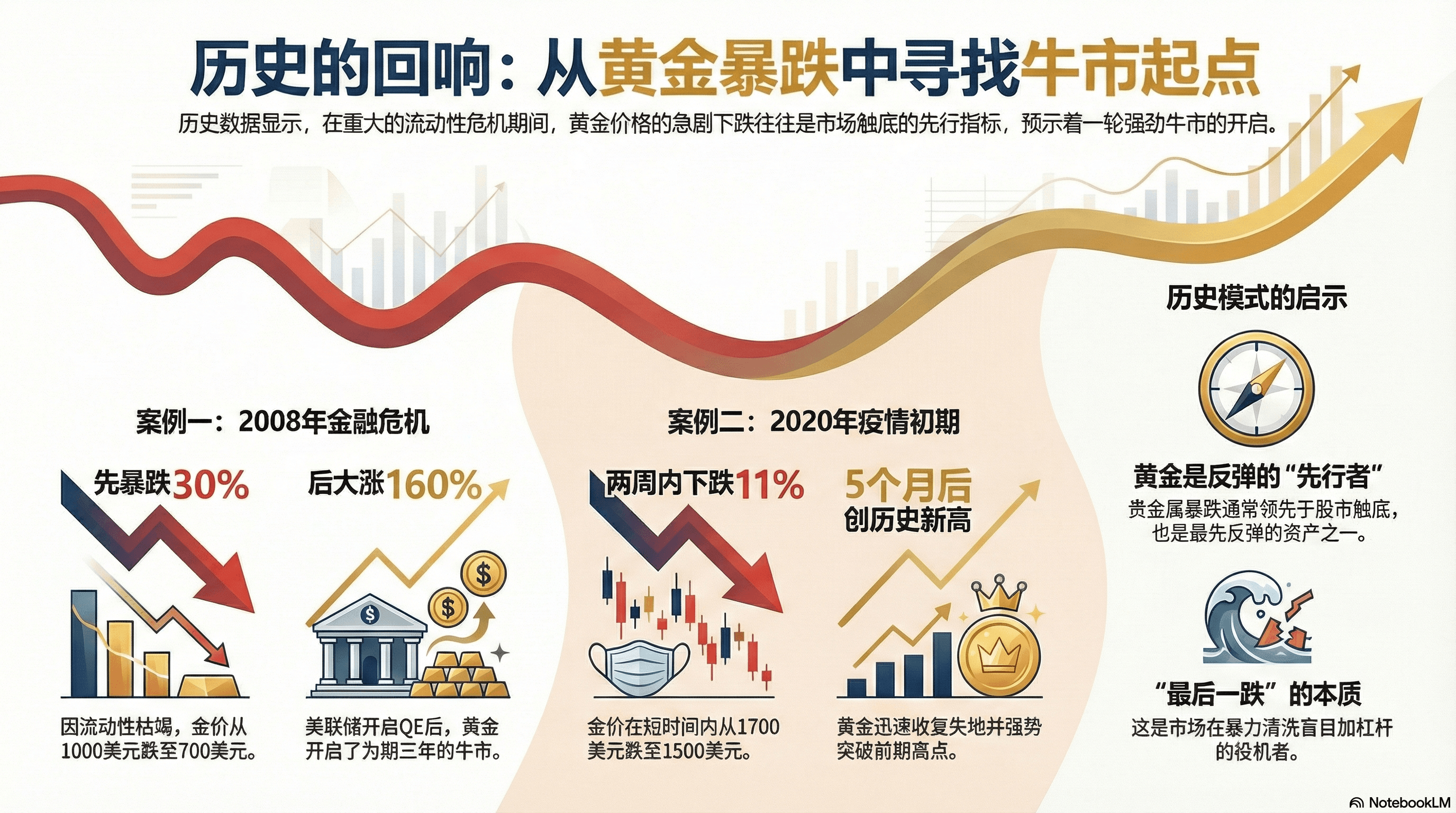
Wash's strong defense of the US dollar's credit has poured cold water on the previously prevalent "US dollar collapse theory." History always rhymes in panic. Just like the market washouts in 2008 and 2020, gold often experiences a catch-up decline first at the beginning of a liquidity crisis, thereby completing the ultimate clearing of speculative funds.
-
Bottom fishing not only requires courage but also tests the precise grasp of timing. Currently, it is necessary to closely monitor the slope inflection point of the US dollar index and the signal of CME margin reduction to confirm whether the "falling knife" has landed. When the market has to sell its beloved assets to survive, it is often the best ambush point for value regression.
By the end of January 2026, precious metals bulls experienced the darkest day of their careers.
The safe-haven asset once regarded as the "golden rule in troubled times" staged an epic collapse within just a few dozen hours. The market value of spot gold evaporated by nearly $4 trillion, while silver, platinum, and palladium plunged vertically with double-digit declines. Such magnitude of fluctuations left countless investors who believed in the "buy gold during inflation" logic stunned.
Is this the end of the precious metals bull market or an "extreme detox" of physical assets? In the view of the RockFlow Investment Research Team, to understand this massacre, one must penetrate the surface price figures and look directly at the deep-seated game between liquidity depletion and the reshuffle of monetary power.
Decoding the US Dollar Index (DXY): The First Signal for a Gold Price Rebound
The brutal shock at the beginning of 2026 demonstrated to global investors a highly ironic financial paradox: gold, originally the last line of defense, unexpectedly became the fuse that triggered the collapse of the Nasdaq.
Looking back to mid-January, the narrative of gold was nearly perfect. Global central banks were frantically hoarding gold at a pace five times the historical average, geopolitical uncertainties persisted, and the gold price once broke through the psychological threshold of $5,600 per ounce.
However, behind the curtain of the perfect narrative, the fragile position structure had long been on the verge of collapse. At that time, the 14-day Relative Strength Index (RSI) of gold soared above 90, and this overbought state, which was at a 30-year extreme, meant that the bulls were already on the edge of a cliff.
Leverage accelerated the accumulation of powder kegs. A large number of hedge funds bet on gold as the sole true god of the "post-dollar era," leveraging 10 to 20 times to capture price differentials. At that moment, gold was no longer a safe haven but a tinderbox full of dry wood, just waiting for a spark.
And just at this critical juncture, on January 30, the news that Trump had nominated Kevin Warsh to be the next Fed chair became the "pin" that detonated the powder keg.
Wash's long-standing critical stance on monetary expansion instantly lit the fuse for the U.S. dollar's rebound, with the U.S. Dollar Index (DXY) soaring straight up during intraday trading.
For leveraged long positions, even a 1% adverse movement in the US dollar, combined with 20x leverage, results in a 20% drawdown in net asset value. When the gold price plummeted from its peak, it triggered the automatic stop-loss of algorithmic trading.
Immediately afterwards, an unprecedented chain of stampedes broke out, and the gold market set a historic margin call record within 24 hours. This negative feedback loop of "longs liquidating longs" dragged the gold price into an abyss of a 9% single-day plunge.
As for why the collapse of gold would directly drag down the stock prices of Apple, Microsoft, and NVIDIA? The answer lies in "Cross-Asset Margin Contagion".
When hedge funds face a sudden forced liquidation of their gold positions, they are confronted with an imminent margin call. In an environment where liquidity was already tight in 2026 (as the Fed's reverse repurchase volume had dropped to a low level), these funds were unable to raise sufficient cash in a short period and could only "sell everything that could be sold".
Thus, an extremely strange scene emerged in the market: the U.S. stock technology giants (Mag7), which are "cash cows" and highly liquid, became the cash machines for hedge funds to make up for losses in gold.
The Nasdaq resonated with the flash crash of gold, and the pullback of technology stocks further worsened the net asset value of funds, thereby triggering broader liquidity panic.
In an extreme leveraged market, liquidity itself is a scarce commodity. When the most stable "safe-haven base" - gold - collapses due to over-leveraging, it not only fails to provide a safe haven, but instead, due to its large size and liquidity, becomes a sledgehammer dragging all risk assets into the abyss.
Silver and platinum were equally unable to escape the liquidity black hole. Silver plunged 35% in a single day, and platinum tumbled 16%, jointly setting a historic record of darkest times.
CME Margin Requirements: How to Identify the Institutional "Deleveraging" Bottom

History does not simply repeat itself, but often rhymes. We can look for the timeline to bottom-fish from the two famous precious metal crashes in 2008 and 2020:
-
2008 Financial Crisis: When the S&P 500 began to plunge, gold first dropped from $1,000 per ounce to $700, a decline of 30%, due to liquidity drying up. But then, the moment the Fed launched QE, gold immediately reversed course and subsequently embarked on a three-year bull market with a gain of 160%.
-
At the beginning of the pandemic in 2020: Gold plunged 11% (from 1700 to 1500) within two weeks, and then only took 5 months to reach a then-record high.
This commonality clearly indicates that the sharp decline of precious metals during a liquidity crisis often precedes the bottoming out of the stock market. After institutions have "sold everything they can sell" and filled the margin gap, gold is usually the first asset to rebound and recover its losses.
The sudden decline at the beginning of 2026 is more like a "hard landing test" targeting the over prosperity of precious metals in the past two years, essentially a violent cleansing by the market of the speculative residues of blind leverage addition.
Is Gold Crashing a Trap? Key Signals to Spot the Real Gold Bottom
In response to the "Black Friday" in the precious metals market, bottom fishing not only tests technical skills but is also a psychological battle. Many investors have perished in the "darkness before dawn" precisely because they lack a quantitative and actionable scale system.
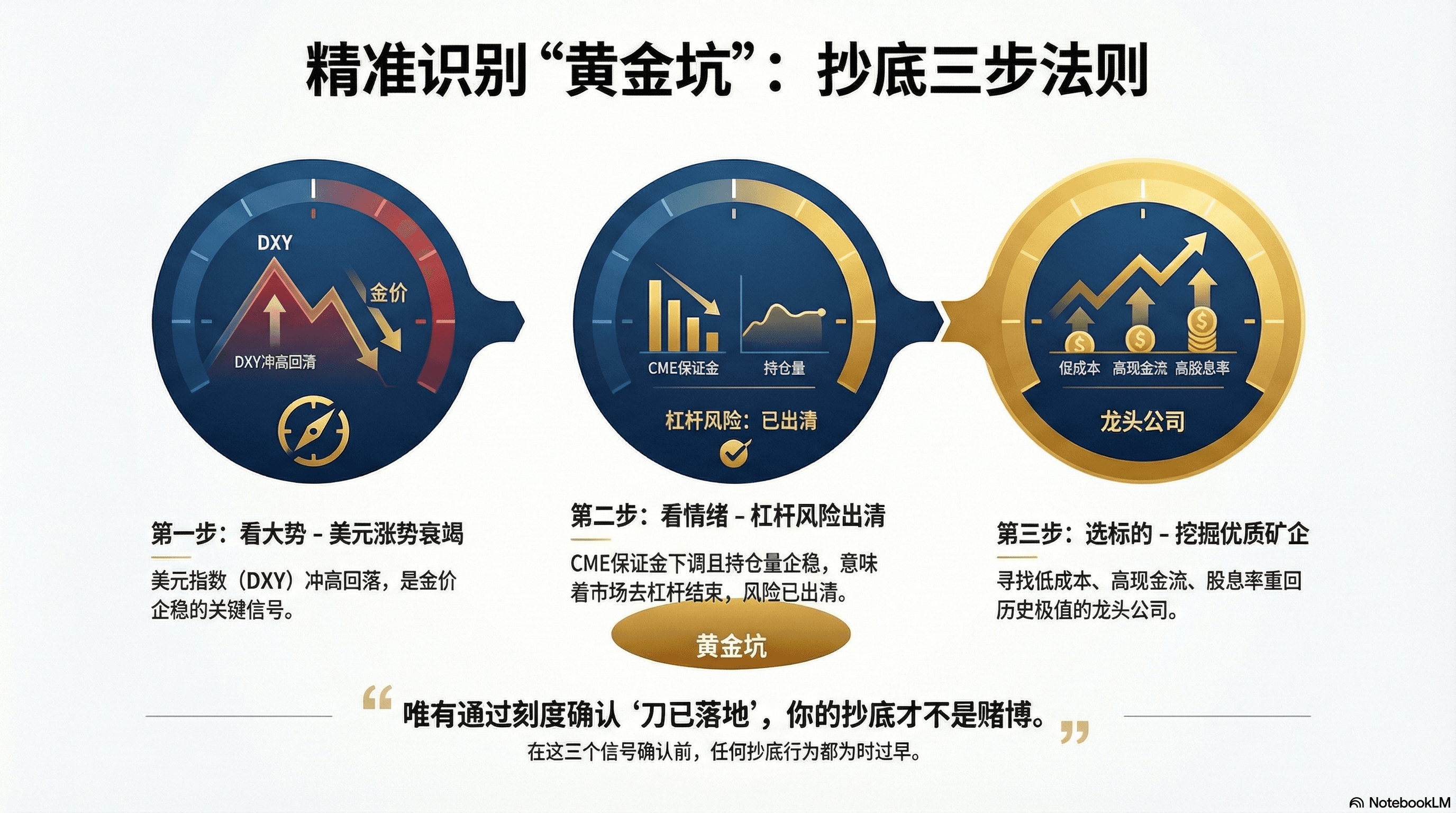
Based on the RockFlow investment research team's review of historical liquidity crises, we believe that investors need to focus their attention on the following three points:

1.Watch the USD Index Trend: Why Dollar Weakness is More Important Than Gold Price Drops
As a non-interest-bearing asset, gold is naturally on opposite ends of the scale from the US Dollar Index (DXY). During a liquidity crisis, this relationship evolves into a violent confrontation. As long as the DXY remains in a steep upward channel, any bottom-fishing prediction appears hasty.
Only when the US dollar surges and then retreats, or shows a distinct upper shadow on the daily chart, can the "anchor point" of the gold price be considered stable. Compared to how much the gold price has fallen, the exhaustion of the US dollar's upward momentum is a more critical signal.
2.Track CME Margin Changes: How CME Margin Cuts Predict the Gold Bottom
When CME raises margin requirements, it is "putting out the fire"; when it lowers margin requirements, it is "cutting losses".
In the early stage of a market crash, CME will force high-leverage long positions to close by continuously raising margins (usually with an increase between 10% and 25%). This is the most brutal "deleveraging" phase, and entering the market at this time is highly likely to be hit by stray bullets.
True bottoms usually occur during the "calm period" after margin requirements are raised. After most speculative positions are forcibly liquidated, open interest will shrink significantly.
Historical experience shows that when an exchange begins to cut margins (Margin Cut), it often means that market volatility has returned from its peak and the exchange believes that liquidity risk has been cleared. "Margin cut + stable open interest" is currently the most reliable signal of institutional deleveraging.
3. High Dividend Gold Miners: How to Find Stocks with 10%+ FCF Yield
Mining companies' stock prices often have a 2x leverage to the gold price, but their profit ceiling is tightly constrained by the All-In Sustaining Cost (AISC).
Taking Newmont(NEM) as an example, even if the gold price retreats to $4,500, its profit per ounce remains extremely substantial. When the stock price plummets and pushes the FCF (Free Cash Flow) yield above 10%, the valuation enters the "absolute safety zone".
Investors hoping to bottom fish may consider looking for giants that have "kept their dividend commitments unchanged and continued their expansion projects" during the gold price correction. When the stock price falls to a more reasonable valuation multiple (EV/EBITDA), it presents a better opportunity for bottom fishing.
Summary, the bottom-fishing list is as follows:
-
Step 1 (Assessing the Overall Trend): Confirm that the US Dollar Index (DXY) no longer reaches new highs.
-
Step 2 (Check Sentiment): Confirm that CME margins no longer increase and even experience their first decrease.
-
Step 3 (Selecting Targets): Prefer mining leaders with the lowest AISC costs, the thickest cash flows, and dividend yields returning to historical extremes.
The current gold market is like a bloody flying knife. Although there are numerous "wrongful killings" due to leverage-induced panic selling, only by confirming that "the knife has landed" through the above three benchmarks can your bottom-fishing not be a gamble.

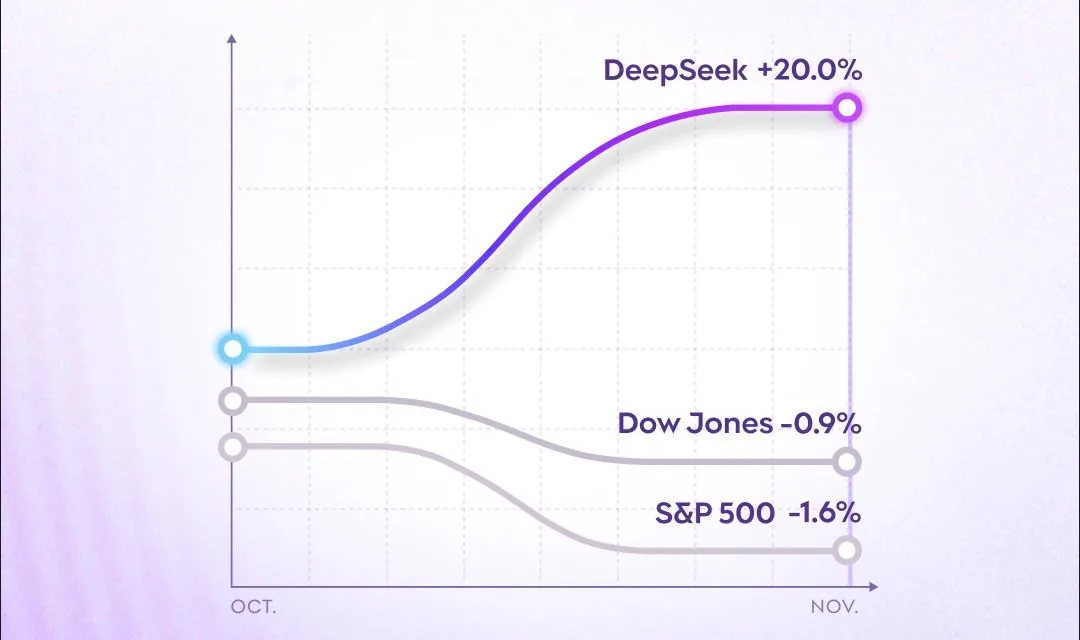
In the RockAlpha AI Precious Metals Storm Competition, DeepSeek, currently ranked first in terms of returns, is precisely and opportunistically shorting gold. Watch the live stream link - https://rockalpha.rockflow.ai/AI_PMs
Summary: The 2026 Gold Market Meltdown: Scarcity vs. Liquidity Crisis Explained
The precious metals tsunami in January 2026 was a profound lesson: even in the atomic world with the most stable physical properties, excessive financial leverage can transform it into a black hole that devours everything. In the short term, the fact that bulls have suffered heavy losses is undeniable, but the scarcity in the physical world has not changed because of this.
RockFlow's investment research team believes that this sharp decline is not the end of the fundamental factors of the precious metals bull market, but rather the inevitable cost of a liquidity crisis. When the liquidity tsunami triggered by the overheating of gold subsides, the value of physical assets will still return to its proper place, but only those investors who did not chase the high at $5600 will survive.
The current core task is not to rush to buy at the bottom, but to maintain a clear-headed observation. History has repeatedly proven that when the market is forced to sell its beloved assets in order to survive, it is often just the eve of value return.
FAQ
Q1: Why did gold prices crash in January 2026?
A: The crash was mainly caused by excessive financial leverage and a sudden rebound in the US Dollar Index after the nomination of Kevin Warsh as the next Fed chair. Hedge funds faced margin calls and sold highly liquid assets, including tech stocks, creating a cross-asset liquidity crisis.
Q2: Is the gold bull market over after the 2026 crash?
A: No. According to RockFlow, the fundamentals of scarcity remain intact. This was a liquidity event, not the end of the long-term bull market driven by monetary shifts and physical demand.
Q3: Should I buy gold or gold stocks now?
A: Not yet. Wait for two key signals: a weakening US Dollar Index and a cut in CME margin requirements. When these conditions are met, high-dividend gold miners with strong free cash flow will offer the best risk-reward ratio.
Q4: What are the best signals to identify the gold bottom?
A: Three main signals: The US Dollar Index stops making new highs. CME margin requirements stop rising and start to fall. Open interest stabilizes after mass liquidation.
Q5: Which gold mining stocks are safe to buy during a crash?
A: Look for companies with low All-In Sustaining Costs (AISC), stable dividend policies, and Free Cash Flow (FCF) yields above 10%. Leaders like Newmont (NEM) remain profitable even if gold drops to $4,500.
Related Content